

Published by Aloto Naga | April 10, 2026
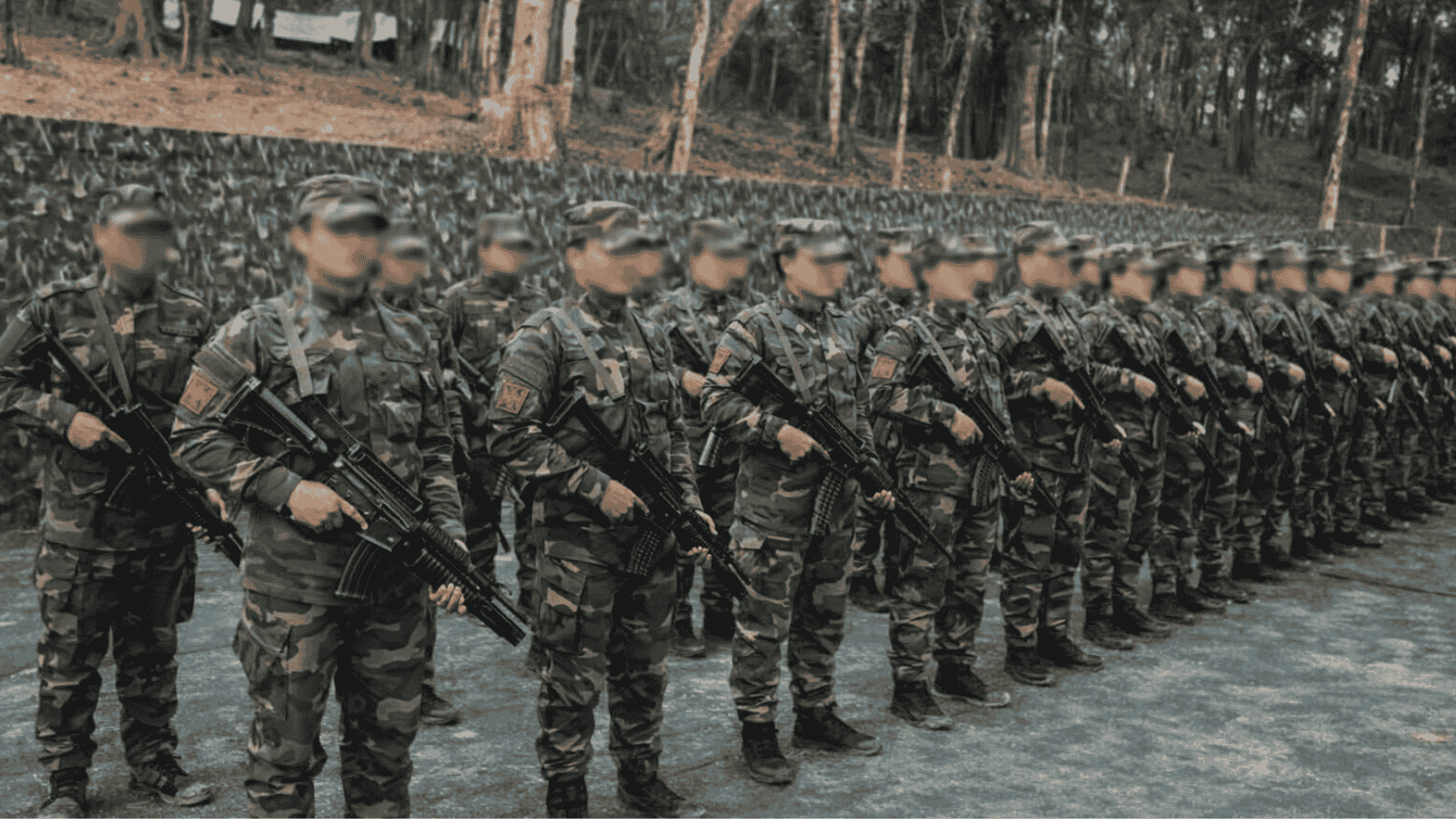
A statement attributed to NSCN/GPRN (Yung Aung faction) has raised serious allegations against the Government of India, claiming increased military activity and human rights concerns affecting Naga-inhabited areas in recent days.
According to the statement, the group expressed strong opposition to a reported drone strike on April 6, 2026, in the Naga Self-Administered Zone of Myanmar. It alleged that such actions have endangered civilian lives and intensified fear among local communities. The statement further described the incident as part of a broader pattern of military pressure in the region.
Ban Extension and Legal Measures Criticised
The organisation also reacted to the reported extension of the ban on NSCN/GPRN for another five years, criticising the decision and rejecting its designation as an unlawful or terrorist entity. It argued that such measures overlook long-standing grievances and the historical context of the Naga political movement.
Our Network

In addition, the statement raised concerns over laws such as the Armed Forces (Special Powers) Act (AFSPA) and the Unlawful Activities (Prevention) Act (UAPA), alleging that these legal frameworks have been used to suppress dissent and restrict civil liberties in parts of the Northeast.
International Appeal on Human Rights
The group called for attention from international institutions, including the United Nations Human Rights Council (UNHRC), urging a review of India’s human rights record. It claimed that alleged violations in Naga areas contrast with India’s global positioning on democratic values and human rights advocacy.
Assertion of Continued Resistance
Reiterating its stance, the NSCN/GPRN (YA) stated that the Naga movement has endured for decades and will continue to pursue what it describes as its political aspirations. The statement emphasised that the group would remain committed to its cause despite challenges.
Broader Context
It is important to note that such claims are part of an ongoing and complex political situation involving multiple stakeholders, including the Government of India and various Naga groups. Independent verification of specific allegations, particularly those relating to cross-border incidents, remains limited at this stage.
The development highlights the continuing sensitivities surrounding the Naga political issue and the need for sustained dialogue and clarity on the ground.
